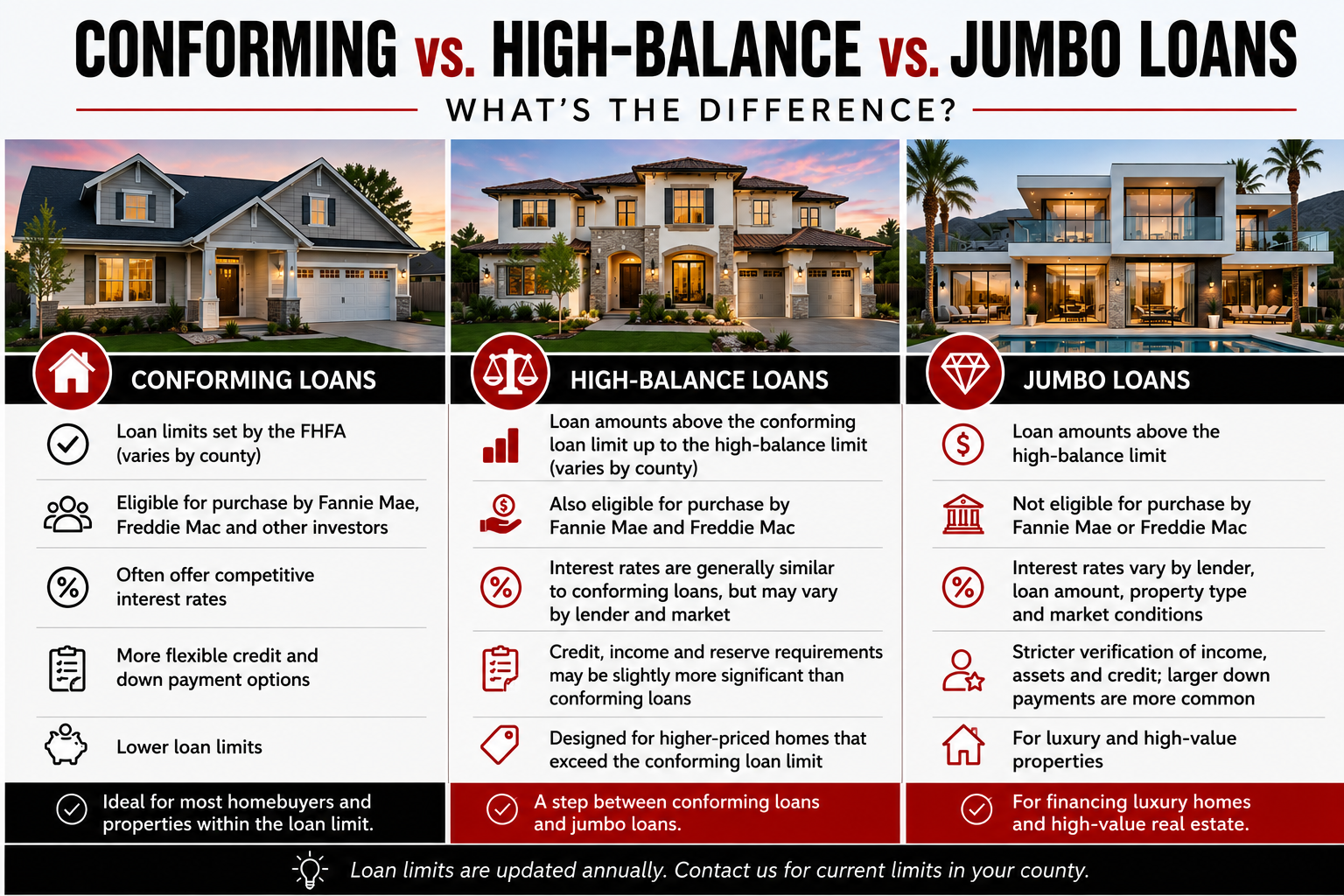
When comparing a conforming vs. jumbo loan, California homebuyers may also encounter a third mortgage…
VA Funding Fee Explained: How Much Is It and Who Is Exempt?
One of the biggest advantages of a VA home loan is the ability for eligible veterans and service members to purchase a home with no down payment and no monthly mortgage insurance. However, many borrowers will pay a one-time VA funding fee when using their benefit.
The amount you pay depends on several factors. These include your down payment, whether you’ve used your VA loan benefit before, and the type of loan you’re getting. Some veterans and service members are completely exempt from paying the fee.
Understanding how this cost works can help you estimate your expenses and choose the right structure for your VA loan.
What Is the VA Funding Fee?
The VA funding fee is a one-time charge on most VA-backed and VA direct home loans.
The fee helps support the VA home loan program and reduces its cost to taxpayers. In exchange, VA financing offers several significant benefits to eligible borrowers. For example, qualified borrowers can often purchase a home without a down payment or monthly mortgage insurance.
If you aren’t exempt, you can generally pay the fee at closing or finance it into your loan.
How Much Is the VA Funding Fee?
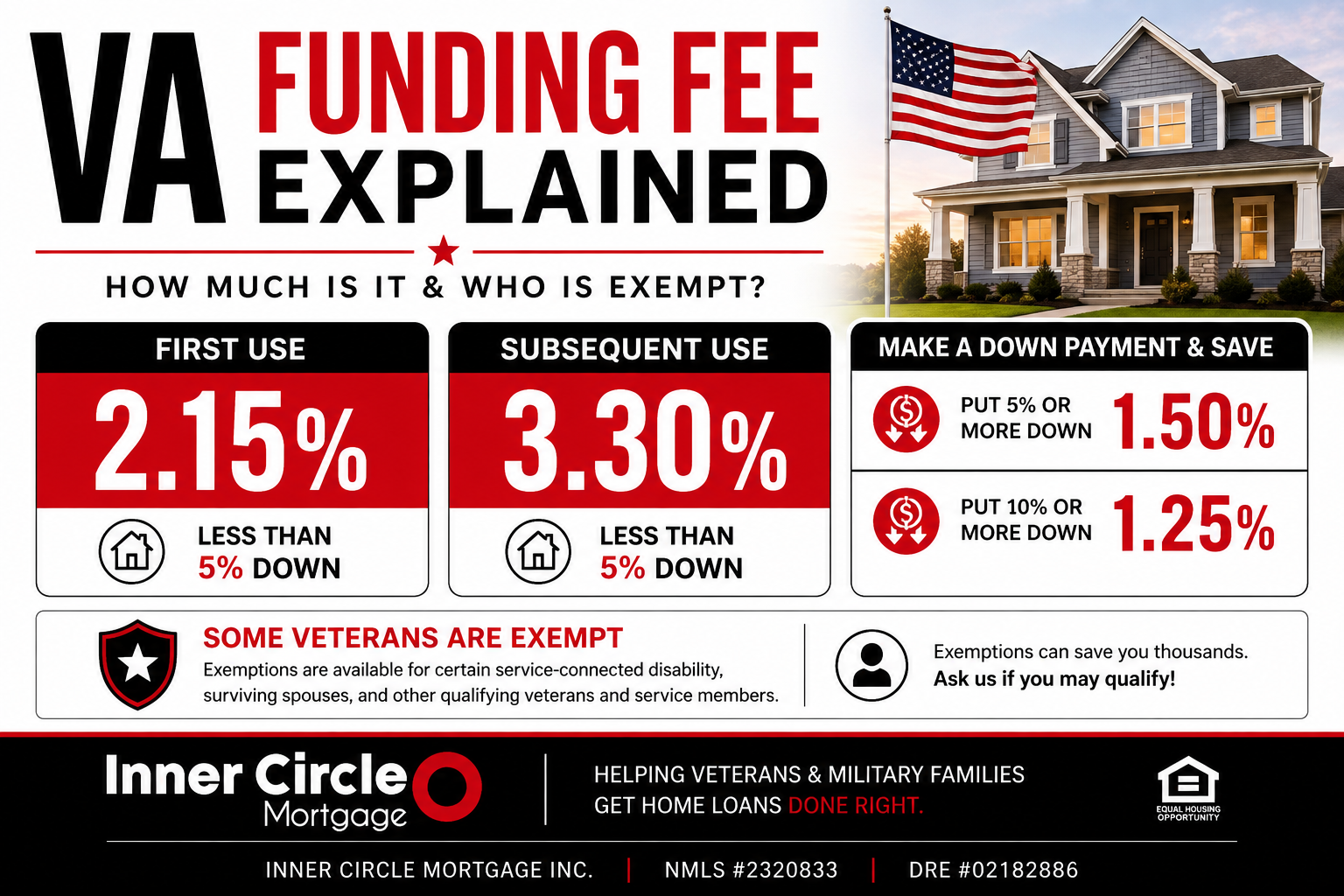
For a VA purchase loan, the amount depends primarily on your down payment and whether this is your first or subsequent use of the benefit.
Current VA Purchase Loan Rates
| Down Payment | First Use | Subsequent Use |
|---|---|---|
| Less than 5% | 2.15% | 3.30% |
| 5% or more | 1.50% | 1.50% |
| 10% or more | 1.25% | 1.25% |
The percentage applies to the loan amount.
For example, suppose you’re using your VA benefit for the first time and obtaining a $500,000 loan with less than 5% down.
At 2.15%, the fee would be $10,750.
If you financed the entire amount, your starting loan balance would increase to $510,750.
Does the VA Funding Fee Increase With Subsequent Use?
It can.
For a purchase with less than 5% down, the current rate is 2.15% for first use and 3.30% for subsequent use.
However, putting at least 5% down reduces the rate to 1.50% for both first and subsequent use. A down payment of at least 10% reduces it further to 1.25%.
Therefore, zero down isn’t automatically the best financial strategy for every veteran. We can compare different scenarios to determine how the down payment, loan amount, and monthly payment work together.
Who Is Exempt From the VA Funding Fee?
Not every VA borrower has to pay the VA funding fee.
You may qualify for an exemption if you meet certain VA requirements. This can include borrowers who:
- Receive VA compensation for a service-connected disability.
- Are eligible for service-connected disability compensation but receive retirement or active-duty pay instead.
- Receive Dependency and Indemnity Compensation as the surviving spouse of a veteran.
- Received a qualifying proposed or memorandum disability rating before closing based on a pre-discharge claim.
- Are an active-duty member of the Armed Forces and provide evidence before or at closing that they received a Purple Heart.
Your exemption status should be verified as part of the VA loan process.
If you’re exempt, this can significantly reduce the upfront cost of using your VA benefit.
Can You Finance This VA Loan Fee?
Yes.
Rather than paying the entire amount out of pocket, eligible borrowers can generally finance it into their mortgage.
For example, consider a base VA loan amount of $500,000 with a $10,750 fee. Financing it would result in a starting loan balance of $510,750.
This option reduces the amount of cash needed at closing. However, because the fee becomes part of the mortgage balance, you’ll pay interest on that amount over time.
You can also choose to pay it in full at closing.
Can the Seller Pay It?
Yes. A seller or builder may pay the VA funding fee on behalf of the buyer.
VA guidelines also allow sellers to contribute toward certain closing costs and provide permitted concessions.
However, the way seller credits and concessions are structured matters. Your lender should review the purchase contract to make sure the credits are being used correctly.
Can You Get a Funding Fee Refund?
In certain situations, yes.
Suppose you paid the fee when your loan closed but later received VA compensation for a service-connected disability. You may qualify for a refund if the effective date of your disability compensation is retroactive to a date before your loan closing.
This can be particularly important for veterans who have a disability claim pending while purchasing or refinancing a home.
If you believe you should have been exempt when your loan closed, you can determine whether a refund may be available.
Funding Fees on VA Refinances
The amount charged on a refinance depends on the type of VA loan.
For a VA cash-out refinance, the current rates are:
- 2.15% for first use
- 3.30% for subsequent use
A refinance with no cash out is known as a VA Interest Rate Reduction Refinance Loan, commonly called a VA IRRRL, and currently has a 0.50% fee.
Borrowers who qualify for an exemption generally remain exempt when refinancing.
How Does It Compare With Mortgage Insurance?
The VA funding fee and mortgage insurance aren’t the same thing.
Conventional borrowers who make smaller down payments may have to pay private mortgage insurance, commonly called PMI. FHA financing generally includes mortgage insurance premiums.
VA loans do not require monthly mortgage insurance.
Instead, most non-exempt borrowers pay a one-time fee. Depending on your individual situation, avoiding monthly mortgage insurance can be a significant advantage of VA financing.
Is the Fee Tax Deductible?
Tax treatment can change, and every borrower’s situation is different.
Starting with tax year 2026, qualifying VA funding fees may be deductible as a mortgage insurance premium for borrowers who itemize their deductions — though income limits and other rules apply.
However, you should consult a qualified tax professional before relying on any mortgage-related tax deduction.
Questions About Your VA Loan?
The VA home loan benefit offers significant advantages for eligible veterans, active-duty service members, and qualifying surviving spouses. However, understanding the costs is an important part of choosing the right loan structure.
Inner Circle Mortgage helps veterans and military families understand their VA loan options, including VA funding fee exemptions, zero-down financing, closing costs, and different ways to structure their mortgage.
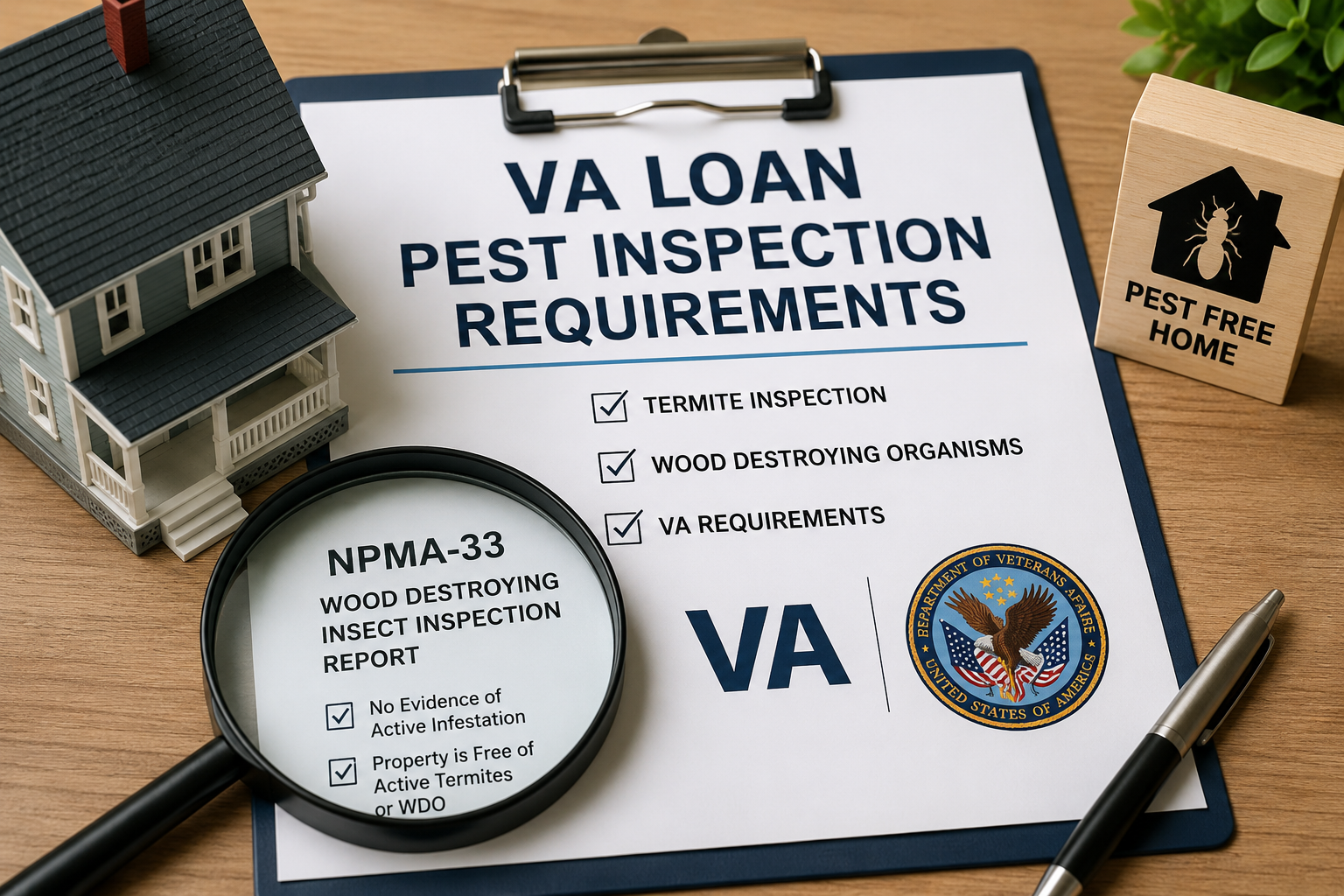
The funding fee is just one cost to plan for with a VA loan. If you’re buying in California, you’ll also want to understand VA loan pest inspection requirements in California and how they can affect your transaction. If you’re considering purchasing or refinancing a home with a VA loan, we’re happy to help you understand your options before you make a decision.

Related Posts